A Local’s Guide to Old Town Albuquerque
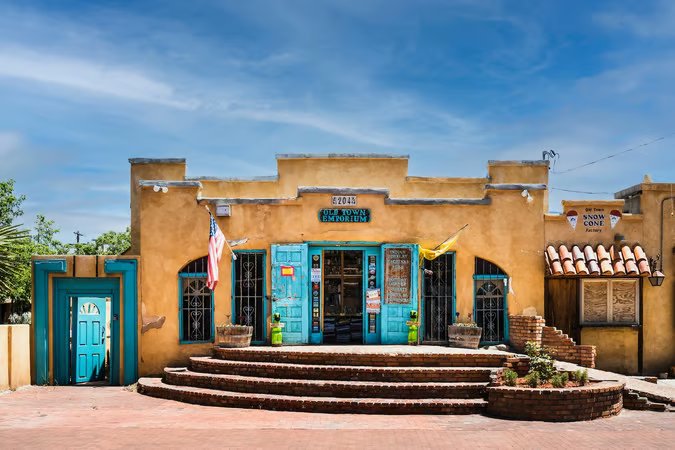
Every good guide to Old Town Albuquerque starts where the city itself started. Founded in 1706 by Spanish settlers along the banks of the Rio Grande, Old Town is Albuquerque’s original neighborhood. And more than 300 years later, it’s still the cultural heart of the city. Narrow adobe streets, a historic plaza, and more than 150 independently owned shops, galleries, restaurants, and museums make this walkable district an easy way to spend a morning, an afternoon, or a full day. Here’s a local’s rundown of how to see it right.
Start at the Plaza
Every visit to Old Town begins the same way: at the Plaza. This shaded central square has anchored the neighborhood since its founding, and it’s still where locals gather for weekend art shows, live music, and the occasional impromptu car show.
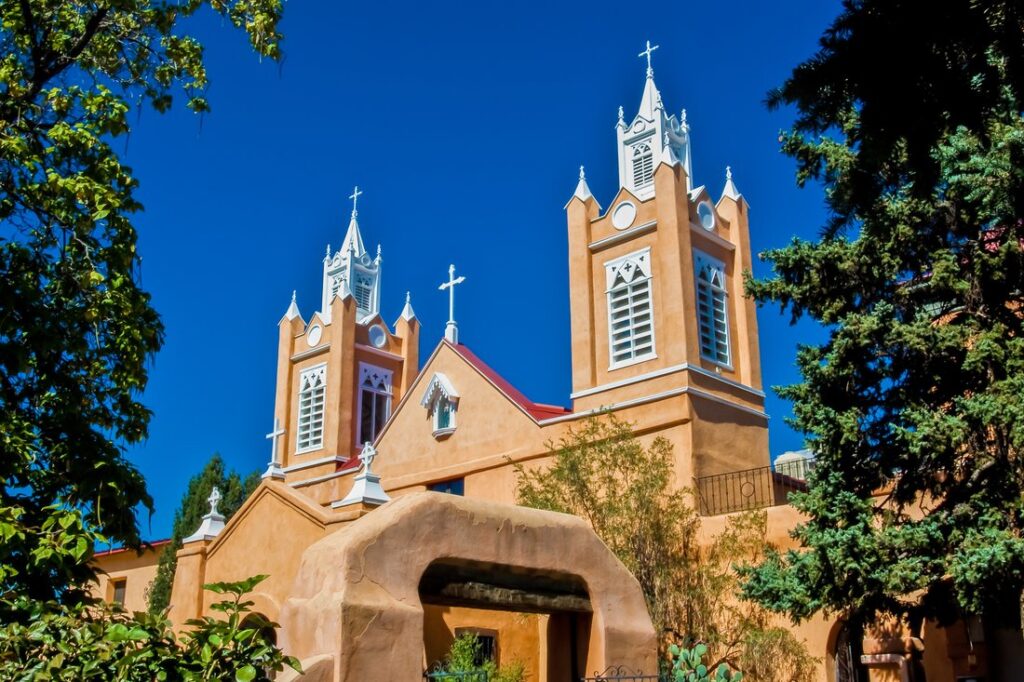
On the north side of the Plaza sits San Felipe de Neri Church, Albuquerque’s oldest church. The original adobe structure collapsed after a particularly rainy summer in 1792, and the church was rebuilt the following year with walls five feet thick. It’s still an active parish today, and its whitewashed twin towers are one of the most recognizable sights in the city.
Must-See Museums
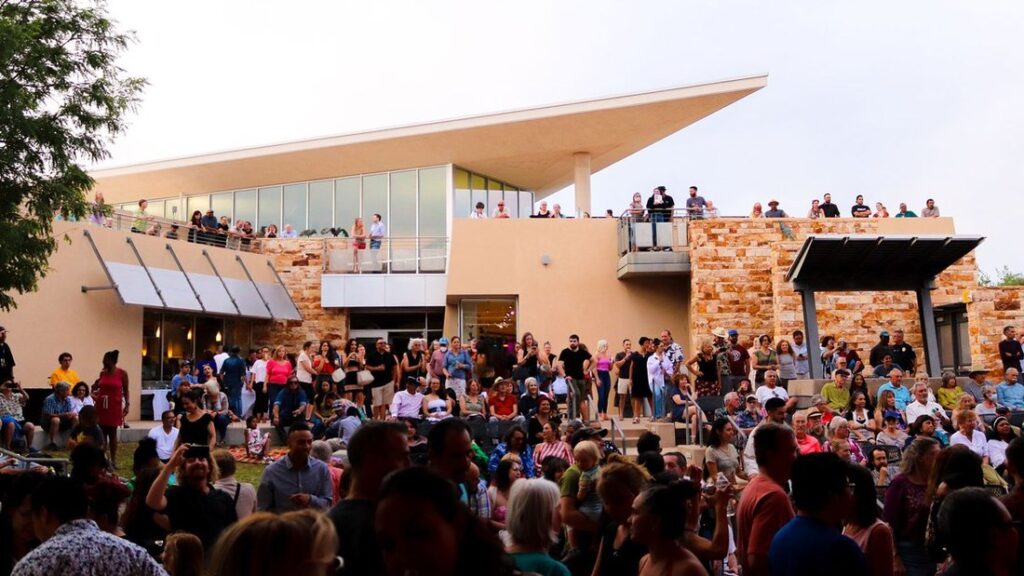
Old Town has a surprising mix of museums packed into just a few walkable blocks. A few worth building time for:
- New Mexico Museum of Natural History and Science: Exhibits cover the region’s geologic and biological history, plus a planetarium. Easy to lose a couple of hours here, especially with kids.
- Albuquerque Museum: Focused on the city’s art, history, and culture, with rotating exhibits and sculpture gardens.
- American International Rattlesnake Museum: A genuinely unusual stop, with live native rattlesnakes and Southwest wildlife exhibits.
If you have extra time, the Anderson-Abruzzo Albuquerque International Balloon Museum is a short drive away and worth the detour if you’re curious about the city’s ballooning heritage.
Shop the Plaza and Surrounding Streets
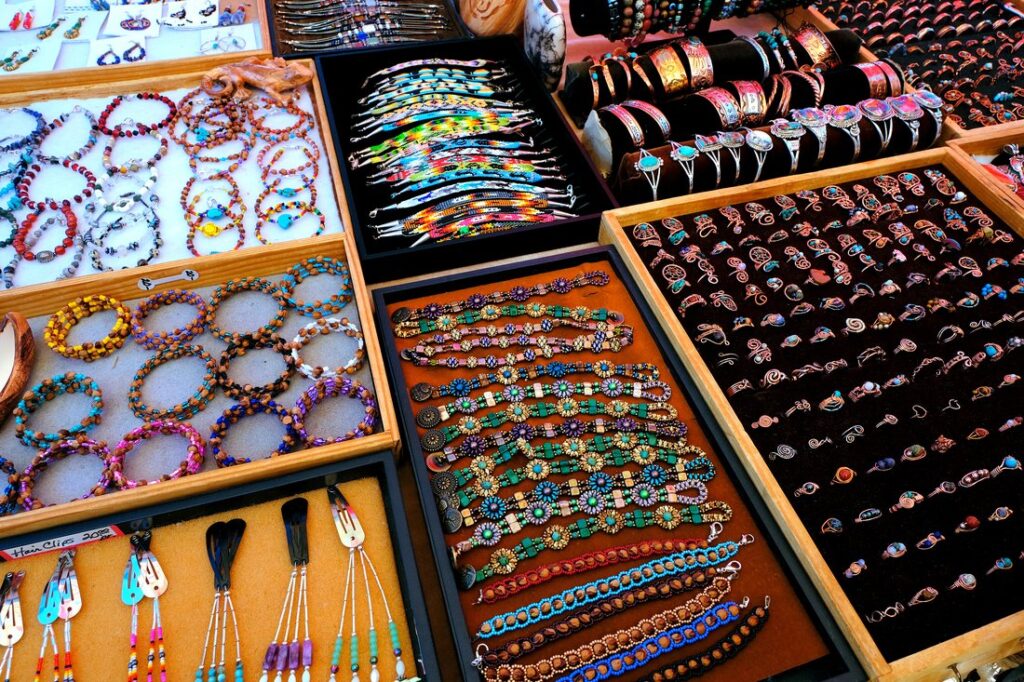
Old Town’s shopping is part of the experience, not just an add-on. Look for turquoise and silver jewelry from local artisans, Native American pottery and rugs, and Southwestern art galleries tucked into old adobe storefronts. Plaza Don Luis, just off the main square, is a good pocket of craft breweries and boutique shops if you want to slow down and browse.
Where to Eat
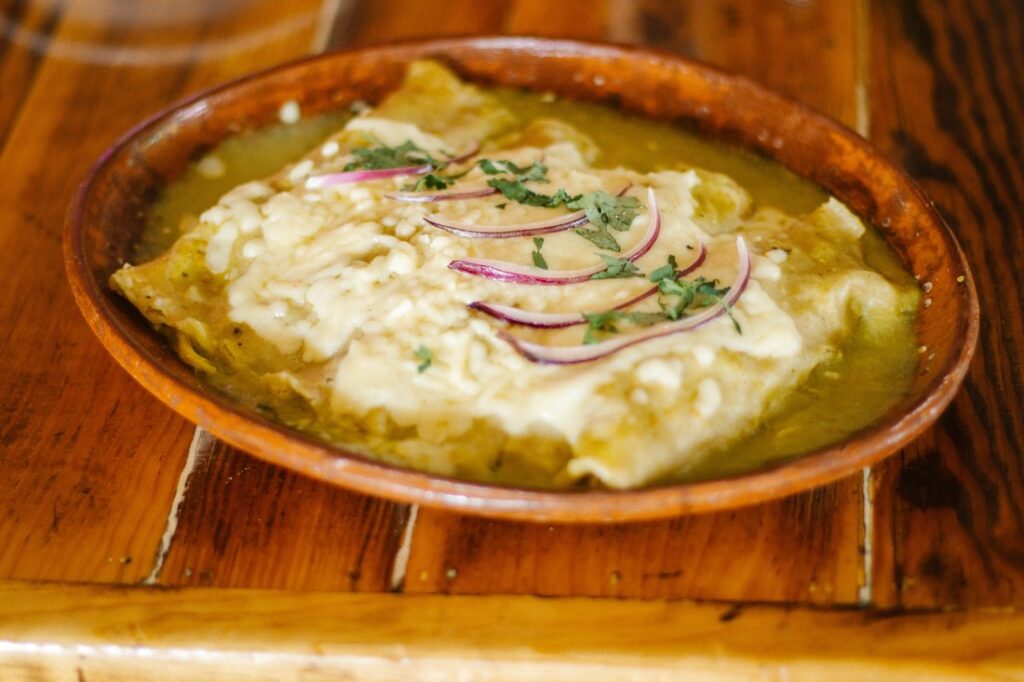
Old Town is where a lot of visitors get their first taste of true New Mexican cuisine and locals still come back for it. Expect green chile stew, enchiladas, and sopapillas drizzled with honey at longtime favorites in the district. For something more casual, look for slow-smoked barbecue tucked into Plaza Don Luis, or grab a margarita on a patio and watch the Plaza go quiet as the sun sets.
Come Home Nearby
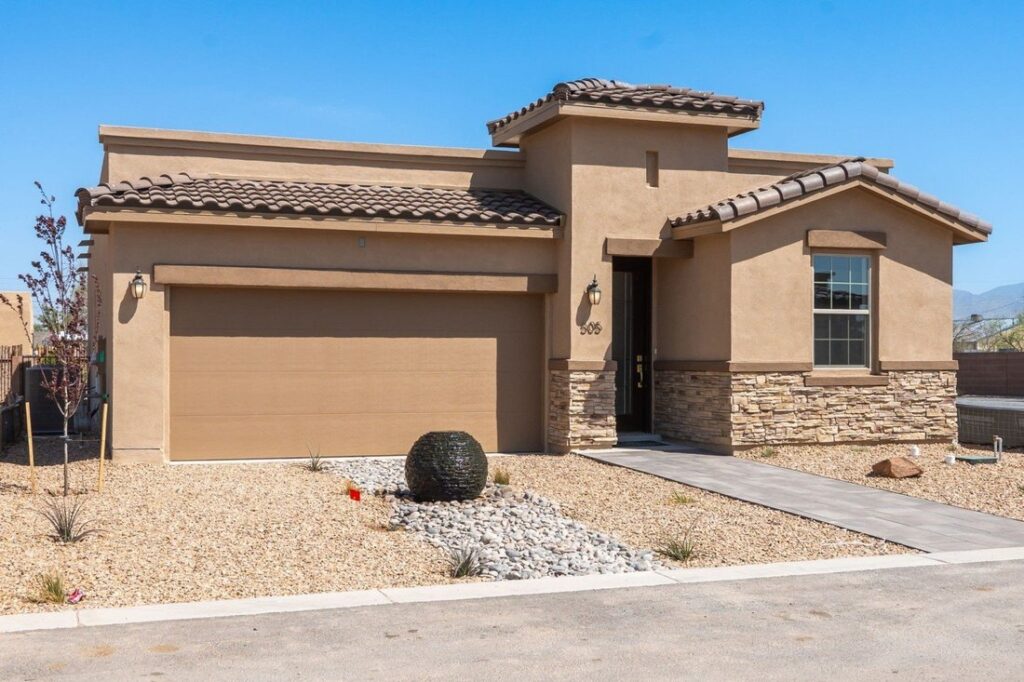
Two Hakes Brothers communities put you close enough to make visiting Old Town especially easy: Sage Park, about 4 miles away, and Spanish Walk, about 5 miles away, both offer new homes with easy access into the heart of the city. If you’re househunting in Albuquerque with Old Town on your list of favorite places, it’s worth a look at what’s now selling in either community. Contact us today to schedule a tour of these or any Hakes Brothers community!
Old Town Albuquerque Frequently Asked Questions
What is Old Town Albuquerque known for? Old Town is known as Albuquerque’s original historic district, founded in 1706, and today it’s known for its adobe architecture, San Felipe de Neri Church, and its concentration of museums, galleries, and New Mexican restaurants.
How much time do you need in Old Town Albuquerque? Most visitors spend two to four hours exploring the Plaza, a museum or two, and grabbing a meal. A full day allows time for shopping, a guided tour, and a relaxed dinner.
Is Old Town Albuquerque walkable? Yes. The district is compact and pedestrian-friendly, with public parking lots feeding directly into a walkable network of plazas and side streets.
When is the best time to visit Old Town Albuquerque? Old Town is enjoyable year-round, but spring and fall offer the most comfortable weather for walking and outdoor dining. Weekday mornings tend to be less crowded than weekends.