High Desert Living Tips: A Beginner’s Guide to Staying Safe and Comfortable
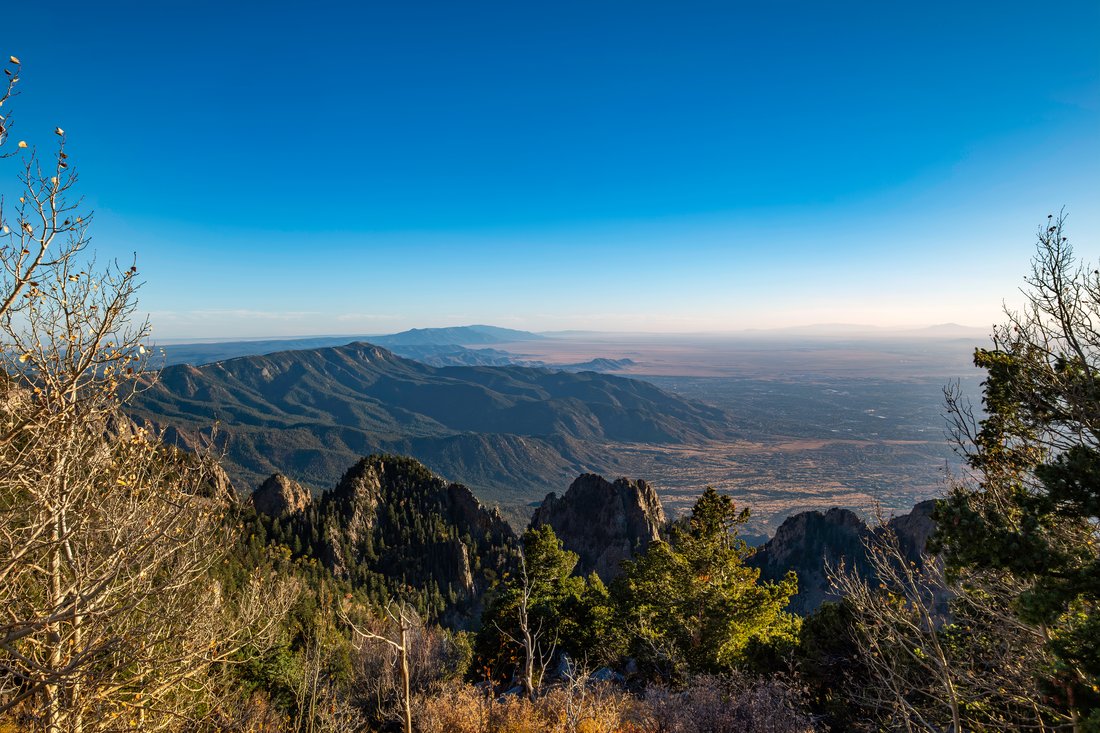
If you’re settling into a new home in the Southwest, one of the best high desert living tips you can start with is this: the high desert isn’t just dry heat. It’s a distinct climate shaped by elevation, and it takes most newcomers a few weeks to fully adjust. Understanding what’s different (and why) makes that transition a lot smoother.
Whether you’ve relocated for work, family, or a fresh start, here’s what to expect in your first weeks of high desert living, and how to stay safe and comfortable while your body and your household adjust.
What Makes the High Desert Different
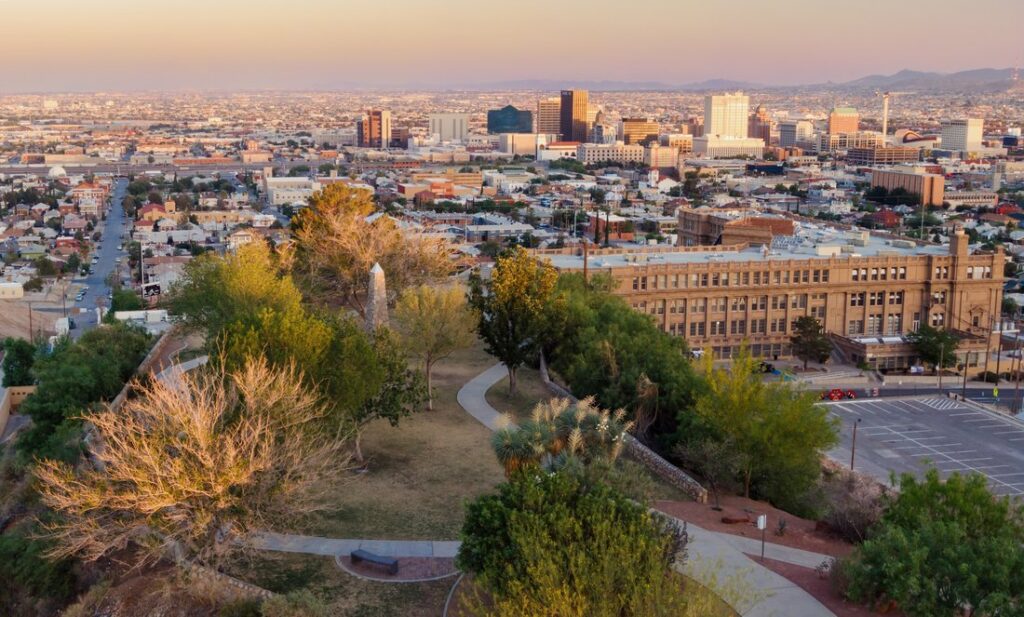
“High desert” refers to arid regions sitting at meaningfully higher elevation than the low deserts many newcomers picture (think Phoenix or Palm Springs). For example, Albuquerque sits around 5,300 feet above sea level, while El Paso and the nearby Santa Teresa area sit closer to 3,700-4,000 feet. That combination of altitude and aridity is what separates high desert living from other warm-climate regions. Two things follow from that elevation: thinner air and wider temperature swings. Both are worth planning for before you’re in the middle of them.
Give Yourself Time to Adjust to the Altitude
If you’ve moved from near sea level, don’t be surprised if you feel a little more winded on stairs or a short walk during your first couple of weeks. Mild altitude effects like fatigue, shortness of breath, occasional headaches are common and usually temporary as your body adjusts to less oxygen per breath.
A few things help speed up the adjustment:
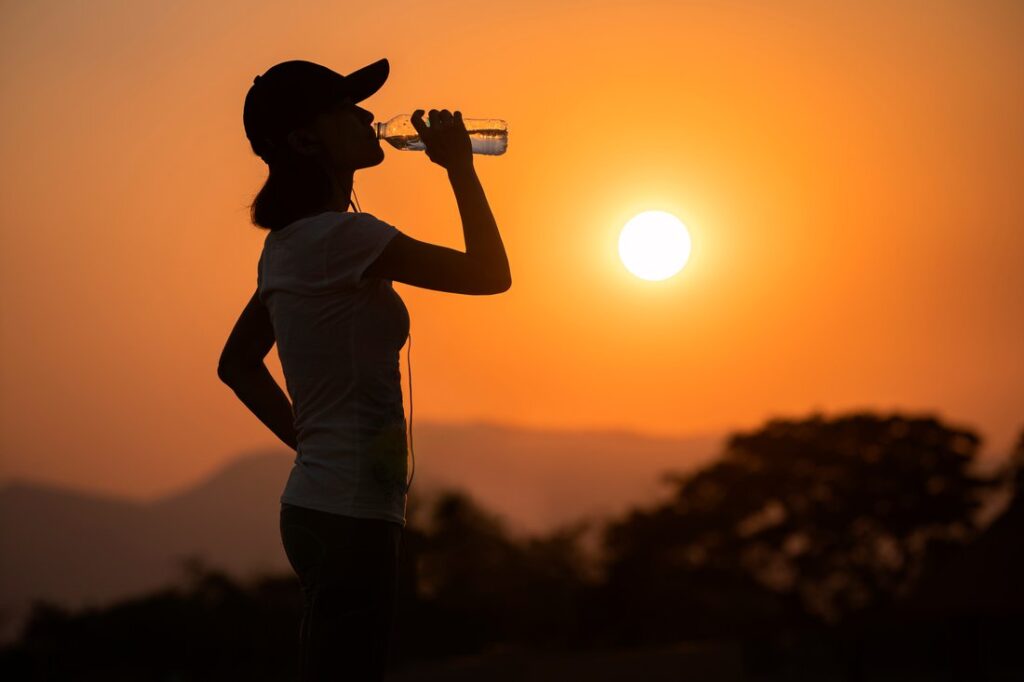
- Hydrate more than feels necessary. Dry air pulls moisture from your body faster than you’d expect, and dehydration makes altitude symptoms worse.
- Ease into physical activity. Save the long hikes or intense workouts for after your first couple of weeks.
- Go easy on alcohol and caffeine at first. Both are more dehydrating at elevation, and their effects can feel stronger than you’re used to.
- Talk to a doctor if symptoms are more than mild, especially if you have a heart or lung condition.

Protect Yourself from Intense Sun
Higher elevation means less atmosphere to filter UV rays, so sun exposure is more intense than in lower-elevation cities (even on cooler or overcast days). It’s easy to underestimate this if you’re used to judging sun strength by temperature alone.
- Wear broad-spectrum sunscreen daily, not just on hot days.
- Add sunglasses and a wide-brimmed hat for extended time outside.
- Plan outdoor errands and exercise for morning or evening, especially as you’re still acclimating.
- Keep water on hand any time you’re outside for more than a few minutes.
Manage the Dry Climate Inside Your Home
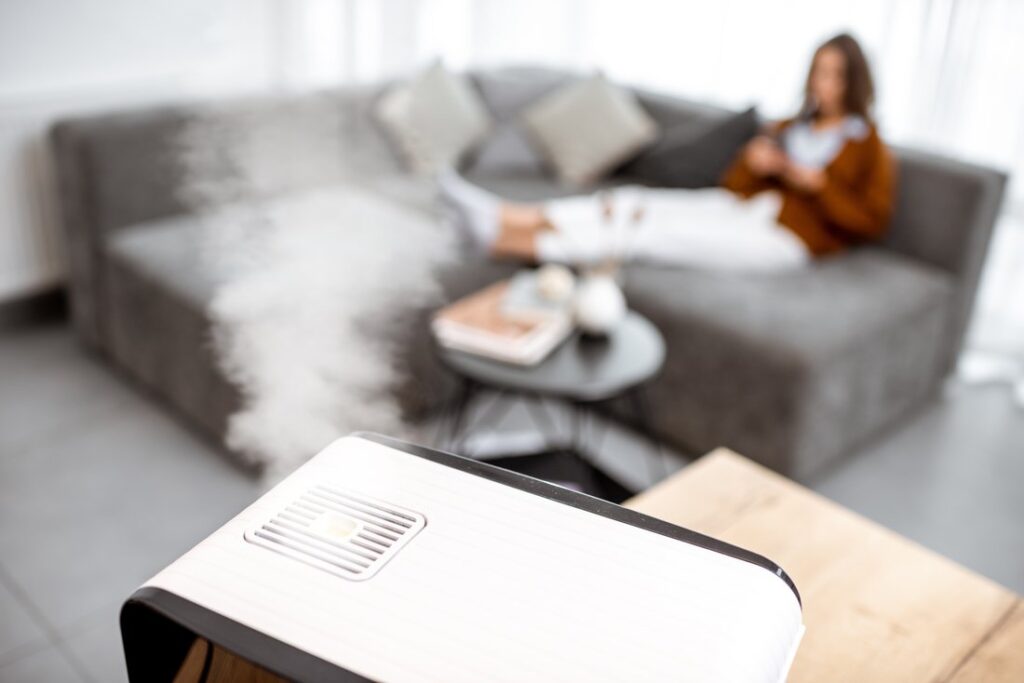
Low humidity doesn’t stay outside, it affects daily life indoors too. Newcomers are often surprised by a few small but persistent adjustments:
- Skin and sinuses dry out faster. A humidifier in the bedroom and a good moisturizer routine go a long way.
- Static electricity becomes a lot more noticeable, especially in dry winter months.
- Wood furniture and instruments can be affected by low humidity. If you brought wood furniture, doors, or a guitar or piano, keeping indoor humidity in a moderate range helps prevent cracking over time.
Get Comfortable with Water-Wise Living
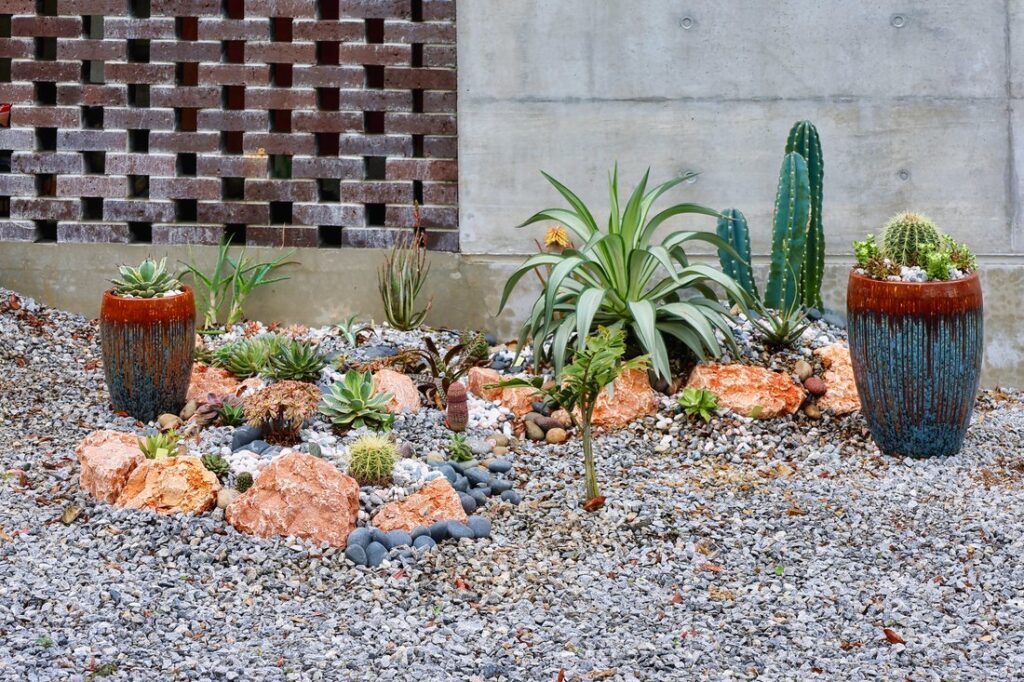
Water is a more visible part of daily life in the high desert than in wetter climates. For example, xeriscaping (landscaping with native, drought-tolerant plants) instead of traditional lawns is encouraged, and could see watering-day schedules in your area.
This isn’t a downside so much as a different (and often lower-maintenance) way of thinking about your yard. Native landscaping tends to need less upkeep once established, and it’s worth learning your local watering guidelines early rather than after a surprise water bill.
Settling Into High Desert Living
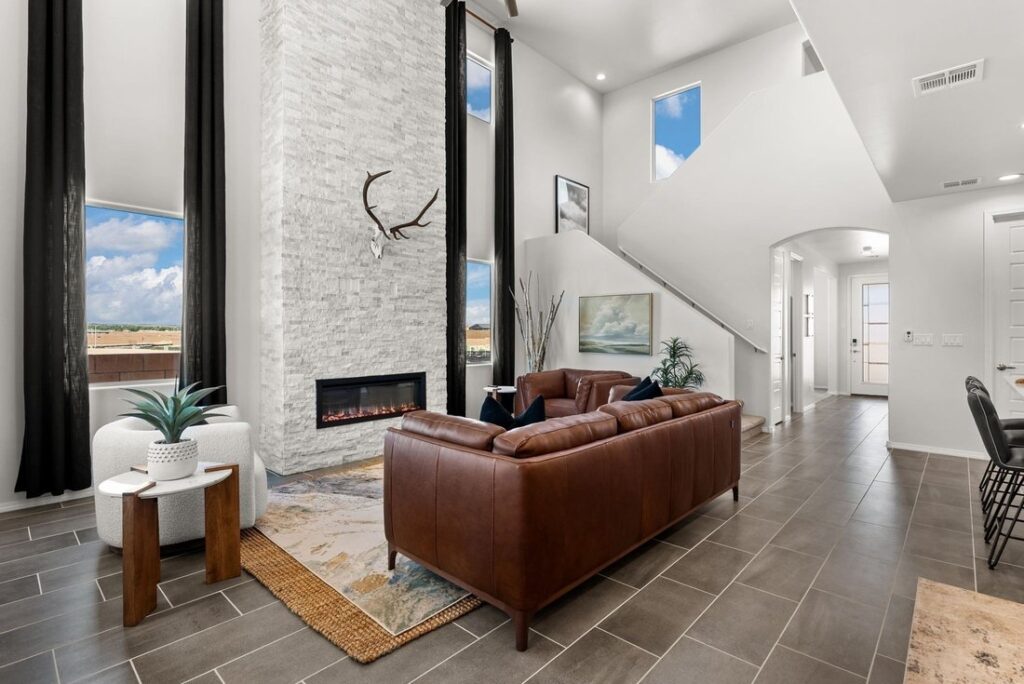
The adjustment period doesn’t last long. Within a few weeks, most newcomers find their rhythm: staying hydrated, layering for the evenings, and enjoying the wide-open skies that make high desert living worth it in the first place. With a little preparation, you’ll be settled in and comfortable before you know it.
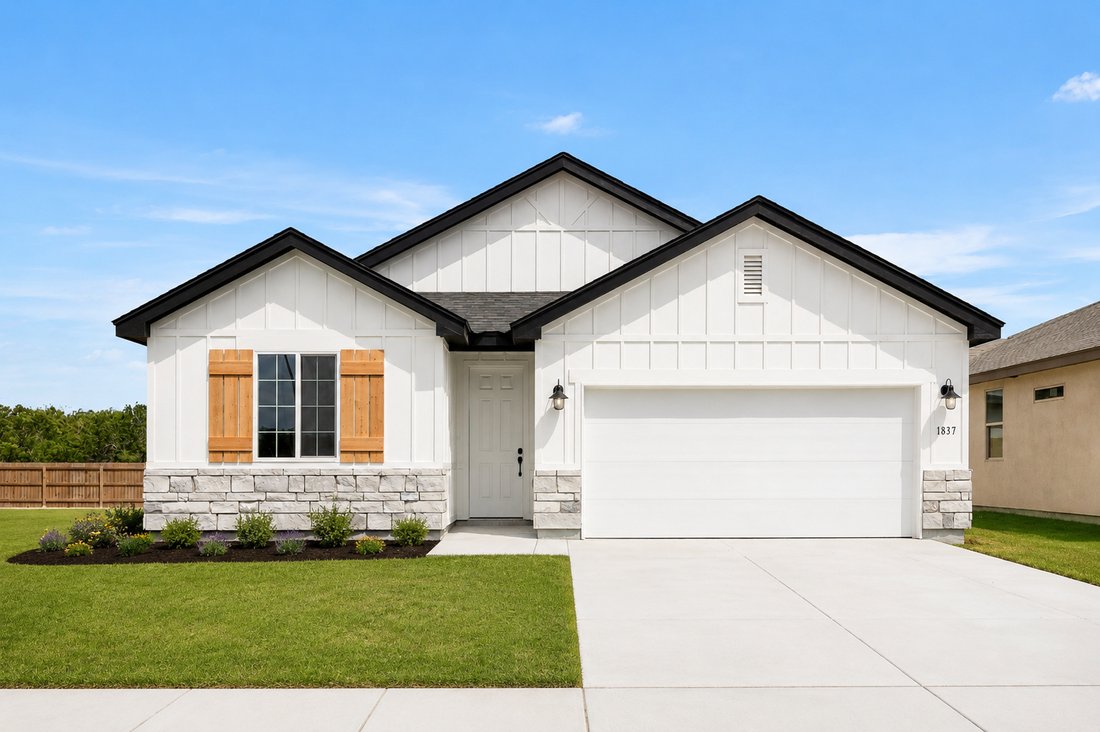
If you’re house-hunting or just curious what high desert living looks like in a Hakes Brothers community, explore our new homes in Albuquerque, NM and El Paso, TX. And contact us today to learn more and schedule your tour.
Frequently Asked Questions
What does “high desert” mean? High desert refers to an arid region at significantly higher elevation than typical low-desert climates, generally resulting in lower humidity, more intense sun exposure, and wider day-to-night temperature swings.
Is high desert living hard on your body at first? Most newcomers notice mild, temporary effects, like feeling more winded than usual or getting dehydrated more easily, as they adjust to the elevation and dry air. These effects are typically the strongest in the first one to two weeks.
How long does it take to adjust to high desert elevation? Most people acclimate within one to two weeks with adequate hydration and a gradual return to normal activity levels. Full acclimation can take a bit longer for strenuous exercise.
Do you need a humidifier in the high desert? Many residents find a humidifier helpful, especially in bedrooms, to ease dry skin, sinus discomfort, and static electricity, particularly during the driest months.
Is sun protection more important in the high desert? Yes. Higher elevation means less atmosphere to filter UV rays, so sunscreen and sun protection matter even on cooler or cloudy days.