Birdwatching Tips for the Rio Grande Valley: A Fall Guide
If you’re looking for birdwatching tips for the Rio Grande Valley, September is one of the best times to start. This is where two major migration routes, the Central and Mississippi Flyways, converge, funneling hundreds of millions of birds through South Texas every fall. Add in a network of dedicated birding sites and a lineup of species found almost nowhere else in the country, and it’s easy to see why the Valley draws birders from all over the world. Whether you’re picking up binoculars for the first time or you’ve been watching birds for years, these tips will help you make the most of the season.
Best Time to Go Birdwatching in the Rio Grande Valley
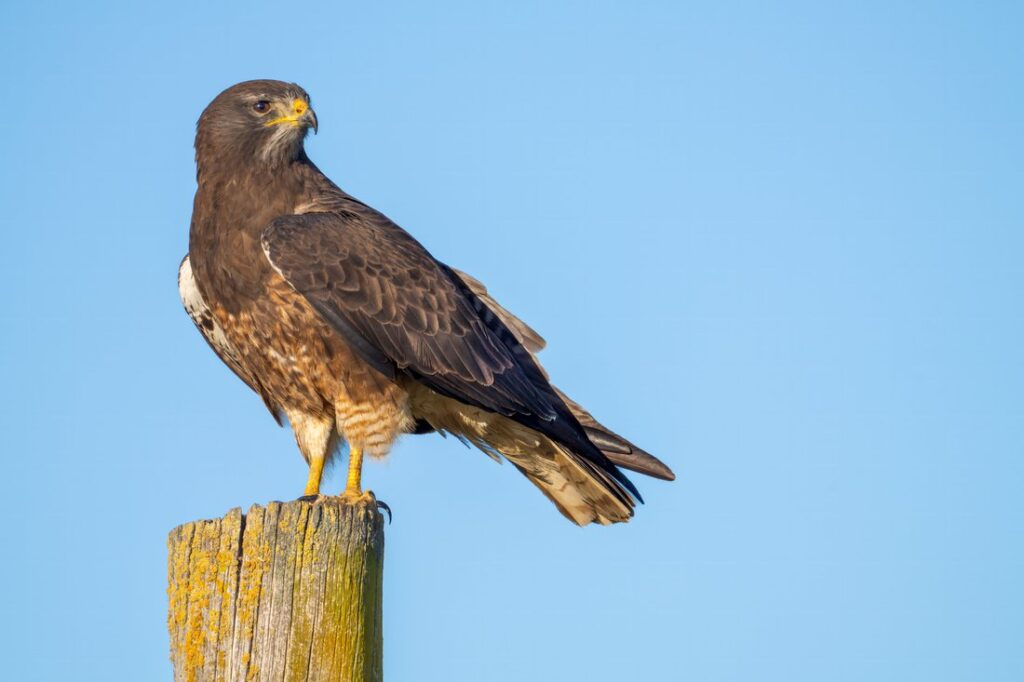
Fall migration in the Valley isn’t a single event, it’s a slow build that runs from midsummer into late October. Shorebirds start arriving as early as July, with peak numbers in August. By September, the pace picks up dramatically: land birds move through in force, hawk migration ramps up with large numbers of Broad-winged Hawks passing overhead, and hummingbirds and warblers stage before continuing south. October brings the peak for Swainson’s Hawks. For the best sightings, plan to be out early, most songbird activity happens in the first few hours after sunrise, before the day heats up and birds settle into cover.

Top Birdwatching Tips for the Rio Grande Valley
- Go early and go often. Bird activity is highest at dawn. If your schedule allows, a few short visits across different mornings will almost always outperform one long midday outing.
- Bring the right gear. A solid pair of binoculars (8×42 is a common all-purpose choice) and a field guide or app matter more than a long lens. Sun protection, water, and bug spray are essentials for South Texas heat and humidity, even in fall.
- Use eBird before you go. The eBird app shows recent sightings by location, so you can check what’s been spotted at a site in the last few days before you head out.
- Check the weather. A cold front pushing through, especially one that stalls migrating birds, can turn an ordinary morning into an exceptional one. Birders in the Valley watch these fronts closely during migration season.
- Move slowly and stay quiet. Many of the Valley’s signature birds, like the Common Pauraque, rely on camouflage and stillness. Slow, deliberate movement along boardwalks and trails gives you a much better chance of spotting them.
- Visit more than one habitat type. The Valley’s mix of wetlands, resacas, thorn forest, and coastal habitat each attract different species. Rotating between a few sites will broaden what you see.
Where to Go Birdwatching in the Rio Grande Valley
The Valley is home to several sites in the World Birding Center network, a system of parks and preserves developed specifically for birding access. A few worth building a visit around:
- Estero Llano Grande State Park: Wetlands, boardwalks, and South Texas scrubland in one compact walk, with the Groove-billed Ani and Great Kiskadee among the regulars. Residents of our Monte Cielo community are only about 15 minutes away.
- Bentsen-Rio Grande Valley State Park: One of the Valley’s original birding hubs, known for tropical forest habitat and strong migration traffic. Our upcoming community, The Grove, is only about 10 miles away.
- Santa Ana National Wildlife Refuge: A long-standing migrant bird point with dense woodland cover, ideal for catching songbirds during a fall push. Our Las Cruces and upcoming Villas de Angelina communities are a short drive away.
- Edinburg Scenic Wetlands: A reliable stop for wading birds and waterfowl, with easy, family-friendly trails. And it’s only 5 miles from our Alberta Heights community.
- Quinta Mazatlan: A historic adobe estate surrounded by thorn forest, popular for both birding and photography. (And not far from our upcoming Villas de Angelina community.)
Species to Watch For
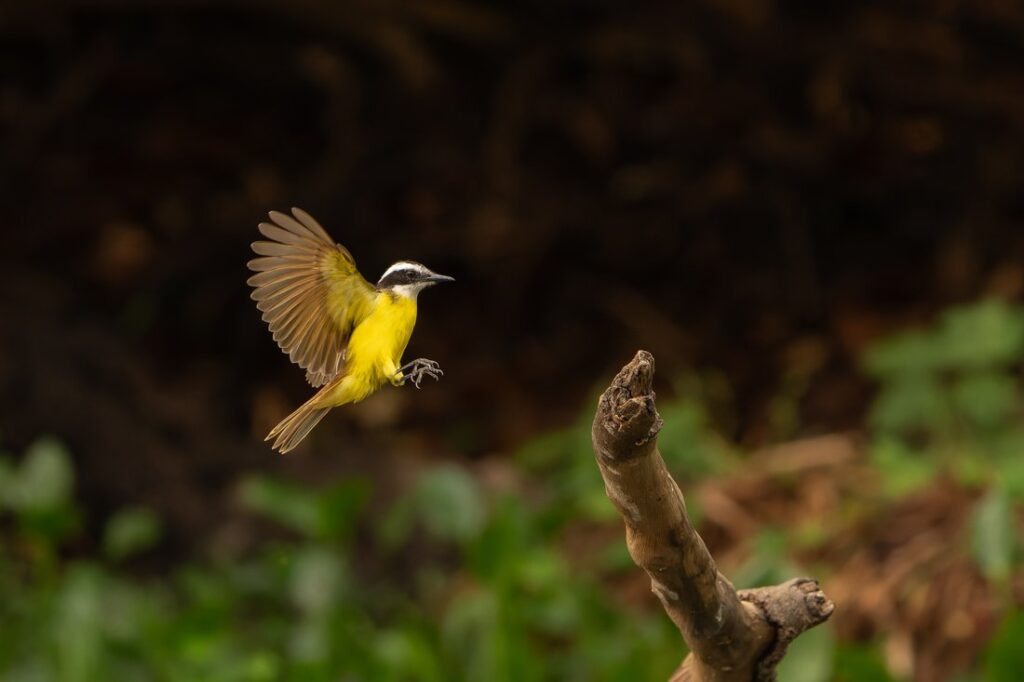
The Rio Grande Valley is one of the only places in the United States to reliably see several South Texas specialties, including the Green Jay, Plain Chachalaca, Great Kiskadee, and Common Pauraque. During fall migration, expect an influx of warblers, hummingbirds, and hawks moving through on their way south, along with shorebirds like the Whimbrel and Solitary Sandpiper working the Valley’s resacas and wetlands.

A Home Base for Birdwatching in the Valley
Having a home base near the Valley’s birding trails makes it easy to chase migration season year after year. Hakes Brothers builds new homes across the Rio Grande Valley, putting you close to the wetlands, refuges, and resacas that make this region one of the country’s premier birding destinations. Contact us today to learn more and schedule your tour.
Frequently Asked Questions
When is the best time to go birdwatching in the Rio Grande Valley? Fall migration runs roughly from July through October, with September marking a major push for land birds and hawks. Early mornings offer the most activity throughout the season.
What birds can only be seen in the Rio Grande Valley? The Valley is one of the few places in the U.S. to reliably spot the Green Jay, Plain Chachalaca, and Common Pauraque, along with the Great Kiskadee.
Where are the best birdwatching spots in the Rio Grande Valley? The World Birding Center network includes standout sites like Estero Llano Grande State Park, Bentsen-Rio Grande Valley State Park, and Santa Ana National Wildlife Refuge, all popular during fall migration.
Do I need a permit or pass to go birdwatching in the Rio Grande Valley? Most World Birding Center sites and state parks charge a small day-use fee rather than requiring a permit. Check individual site websites for current hours and fees before you go.